Health and Safety Policy for Carpet Cleaning Services
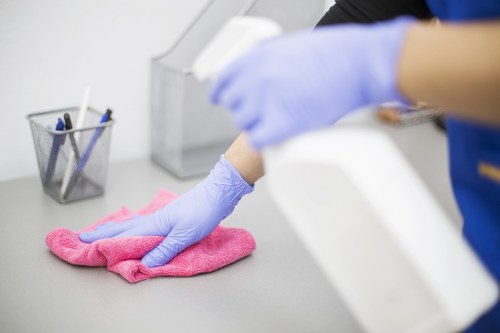 Carpet cleaning operations require clear health and safety standards to protect customers, staff, and property at every stage of the job. This policy sets out the practical measures used to reduce risks during inspection, preparation, cleaning, drying, and completion. It applies to all carpet cleaning activities carried out by the business, including domestic and commercial work, and supports a safe, consistent, and professional approach.
Policy Commitment
The company is committed to maintaining a safe working environment and to preventing harm wherever reasonably possible. Safety is treated as a shared responsibility, with managers, cleaners, and support staff all expected to follow safe working practices. Every carpet cleaning assignment is planned with awareness of chemical handling, electrical equipment, slip hazards, manual handling, ventilation, and public safety. The goal is to complete every job efficiently while protecting health, preserving property, and avoiding unnecessary disruption.
Core Principles
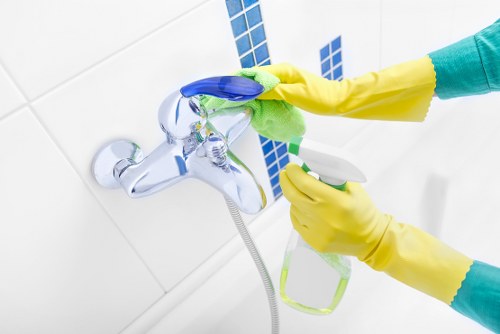 The following principles guide daily operations:
- Assess risks before work begins and adapt methods to the site.
- Use suitable personal protective equipment where required.
- Keep cleaning products stored, labelled, and handled correctly.
- Prevent slips, trips, and falls by managing hoses, cables, and wet areas.
- Maintain equipment in good condition and stop using faulty tools immediately.
- Provide clear instructions to workers on safe cleaning procedures.
Risk Assessment and Site Preparation
Before any carpet cleaning task begins, a basic risk assessment is carried out to identify hazards and decide on the safest method of work. This includes checking the type of flooring, the condition of the carpet, the location of furniture, the presence of children or pets, and any potential sensitivity to chemicals or moisture. Where needed, the area is prepared by moving small items, protecting edges and nearby surfaces, and ensuring there is adequate access and ventilation.
Special attention is given to public spaces, shared premises, and homes with vulnerable occupants. A carpet cleaning service must never create avoidable danger through poor planning. Wet floor signs, controlled access, and careful sequencing of tasks help reduce the likelihood of incidents. Any discovered hazard that cannot be managed safely will be reported and the work paused until it can be addressed.
Safe Use of Equipment and Products
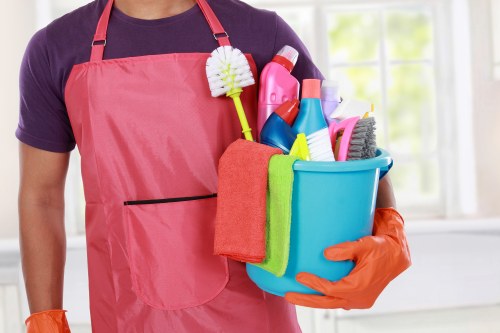 Cleaning machines, vacuums, extraction units, and spray systems are used only by trained personnel. Equipment is checked before use to ensure that cables, plugs, hoses, filters, and fittings are intact and suitable for the task. Operators follow manufacturer instructions and avoid improvising with unsafe attachments or settings. Electrical equipment is kept away from standing water where possible, and power sources are managed to reduce trip and shock risks.
Cleaning products are selected for the job and used in accordance with the relevant safety information. Chemicals are never mixed unless the instructions specifically allow it. Containers are kept closed when not in use, and all substances are stored away from heat and food items. Workers are expected to wear appropriate gloves, eye protection, or other protective clothing when the product or task requires it. Good ventilation is maintained during and after treatment to support safe indoor air quality.
Manual Handling and Workplace Conduct
Manual handling is an important part of carpet care, particularly when moving equipment, furniture, or accessories. Staff are trained to lift carefully, use correct posture, and ask for assistance when an item is too heavy or awkward. Repetitive movements are minimised where possible, and workloads are organised to avoid fatigue. A carpet cleaning company must ensure that staff are able to work without unnecessary strain or pressure to rush.
Slips, Trips, and Wet Surface Control
Because carpet cleaning can leave surfaces damp, controlling slip hazards is essential. Hoses are routed carefully, tools are kept tidy, and walkways are maintained as far as practical. Where floors are wet or drying, the area is clearly identified and access is managed. Prompt housekeeping helps reduce accidents, so spillages, loose items, and excess moisture are dealt with as soon as they are noticed. Customers and other building users are informed when areas should be avoided.
In addition to immediate safety measures, drying procedures are monitored to make sure carpets do not remain damp for longer than necessary. Airflow, temperature, and extraction performance are reviewed during the job. If conditions are not suitable for safe cleaning, the work may be altered or delayed to protect health and property.
Training, Supervision, and Incident Reporting
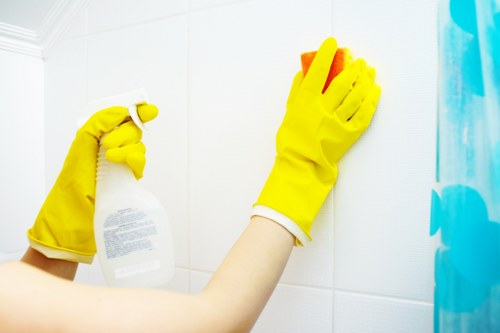 All workers receive instruction on cleaning methods, chemical handling, equipment use, and emergency response. Supervisors make sure that tasks are performed in line with this policy and that any new risks are identified quickly. Training is refreshed when procedures change or when an incident shows that additional learning is needed. Safety expectations are communicated clearly so that good practice remains consistent across all carpet cleaning operations.
Any accident, near miss, or damage incident is recorded and reviewed so that lessons can be learned. This includes slips, equipment failures, chemical splashes, unexpected reactions, or injuries linked to manual handling. Reports are used to improve controls and reduce the chance of recurrence. Where appropriate, corrective actions are introduced, such as extra training, revised procedures, or maintenance checks.
Emergency Arrangements and Review
 In an emergency, staff must stop work, make the area safe if possible, and seek appropriate assistance. First aid materials are available, and workers are expected to know the basic steps to take in the event of injury, fire, chemical exposure, or electrical fault. Emergency procedures are reviewed regularly to ensure they remain practical and effective. This policy is also reviewed periodically to reflect operational changes, new equipment, or updated best practice, helping the business maintain a safe and responsible carpet cleaning service at all times.