Upholstery cleaning by Brockwell Park for Brixton homes: a practical local guide
If your sofa has started to look tired, the dining chairs feel a bit grubby, or that armchair near the window has picked up the usual London dust and everyday marks, you are not alone. Upholstery cleaning by Brockwell Park for Brixton homes is one of those jobs people put off until the fabric is clearly asking for help. Truth be told, by then the cleaning job is usually a little harder than it needed to be.
For Brixton households, upholstery takes a lot of wear. Shoes by the door, kids piling onto the sofa after school, a dog that thinks every cushion is his seat, the odd splash of tea, and the endless mix of heat, humidity, and street dust all add up. This guide explains what upholstery cleaning involves, how it works, when it makes sense, and how to get the best results without risking your fabrics. If you want the broader service behind this topic, it also helps to understand the specialist approach used in professional upholstery cleaning and related care like sofa cleaning, especially for homes around Brockwell Park and wider Brixton.
Below, you will find a plain-English breakdown of the process, a comparison of cleaning methods, a useful checklist, and a few practical tips from real-world experience. No fluff. Just the things that actually matter when you want upholstered furniture to look cleaner, feel fresher, and last longer.
Table of Contents
- Why Upholstery cleaning by Brockwell Park for Brixton homes Matters
- How Upholstery cleaning by Brockwell Park for Brixton homes Works
- Key Benefits and Practical Advantages
- Who This Is For and When It Makes Sense
- Step-by-Step Guidance
- Expert Tips for Better Results
- Common Mistakes to Avoid
- Tools, Resources and Recommendations
- Law, Compliance, Standards, or Best Practice
- Options, Methods, or Comparison Table
- Case Study or Real-World Example
- Practical Checklist
- Conclusion
- Frequently Asked Questions
Why Upholstery cleaning by Brockwell Park for Brixton homes Matters
Upholstered furniture is easy to overlook because it does not always look dirty in the same way a carpet does. But sofas, chairs, benches, footstools, headboards, and fabric dining seats quietly collect body oils, dust, crumbs, pet hair, pollen, and airborne particles. Over time, these settle deep into the fibres and under the surface. That is why a piece can look "fine" at a glance and still feel dull, stale, or slightly sticky to the touch.
In a busy Brixton home, especially near Brockwell Park where people often come and go more frequently, fabrics pick up outdoor debris too. Spring and summer are lovely, but open windows, picnic days, pets, and muddy shoes are not always kind to a pale sofa. And if you live in a flat with limited ventilation, lingering dampness after DIY cleaning can become a real nuisance. You may notice a faint smell that never quite leaves, or shadows on cushions where people rest their arms every evening.
There is also the simple matter of longevity. Good upholstery is expensive. Even mid-range pieces are worth protecting. Regular care can slow down visible wear, keep the fabric feeling comfortable, and help delay replacement. That matters more than people think. The cost of refreshing a favourite sofa is usually a lot easier to swallow than buying a whole new one because the old fabric has become permanently dulled or stained.
Expert summary: upholstery cleaning is not just about appearances. It helps keep fabrics fresher, reduces built-up grime, supports a more comfortable home, and can extend the life of furniture you already like. Small job, big difference.
How Upholstery cleaning by Brockwell Park for Brixton homes Works
Most professional upholstery cleaning starts with identification, not cleaning. That is a good thing. Different fabrics need different treatment. Cotton blends, wool mixes, velvet, microfiber, linen, leather-look fabrics, and synthetic upholstery all behave differently when moisture, heat, or detergent is applied. A careful cleaner will look at the fabric type, the condition of the item, the age of the marks, and whether the piece has previous wear or dye transfer.
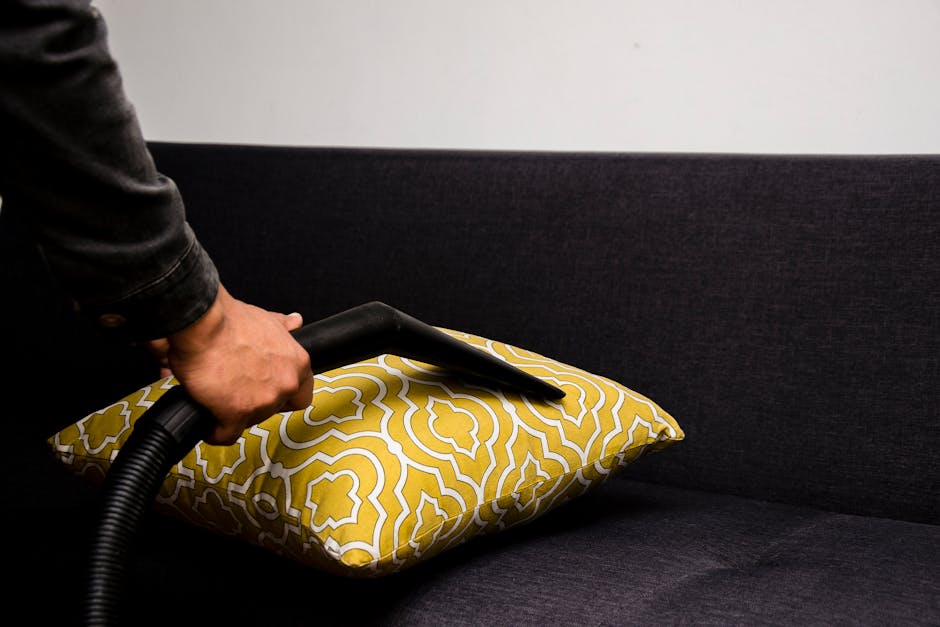
The first step is usually inspection and vacuuming. This removes loose dust, grit, hair, and crumbs before any liquid is used. Skipping this stage is one reason DIY cleaning can go wrong. If grit is still sitting in the weave, it can muddy into the fabric and create more mess than before. After that, a suitable pre-treatment may be applied to loosen oils and break down common marks.
Depending on the material, the cleaner may use hot water extraction, low-moisture cleaning, dry-cleaning style treatments, or targeted stain removal. Hot water extraction is common for many fabrics, but not all. It uses a controlled solution and extraction process to lift soil from the fibres. Low-moisture cleaning can be a better choice for delicate fabrics or pieces that must dry quickly. The point is not to use the strongest method; the point is to use the most suitable one.
Drying is the last major stage. Good airflow matters a lot. You do not want a sofa that feels clean but stays damp for ages. That can leave a stale smell, and in some cases a fabric can look water-marked once it dries. A trained cleaner will usually advise on ventilation, safe use of the furniture, and when it is fine to sit down again.
For homes with wider cleaning needs, upholstery work is often part of a larger reset. A same-day visit might also include carpet cleaning, rug cleaning, or even mattress cleaning if the goal is to refresh several soft furnishings in one go.
Key Benefits and Practical Advantages
The most obvious benefit is visual. Clean upholstery looks brighter, more cared for, and less tired. But the practical benefits go further than that.
- Better appearance: fabrics regain more of their original colour and texture once surface soil is removed.
- Improved freshness: a well-cleaned sofa usually smells cleaner because embedded residue has been lifted out.
- Longer fabric life: removing abrasive dust and grit helps reduce premature wear.
- More comfortable living spaces: nobody enjoys sitting on a sofa that feels dull, sticky, or dusty.
- Helpful for homes with pets or children: everyday mess accumulates fast, sometimes faster than expected. Let's face it.
- Better support for move-outs or viewings: fresh upholstery makes a room feel more presentable without changing the furniture.
There are also small quality-of-life gains that people often mention after a proper clean. Cushions can feel softer. Colours can look less flat under natural light. A room may seem tidier even if nothing else has changed. That is partly because soft furnishings take up so much visual space in a home. If the sofa looks better, the whole room tends to follow.
And for many Brixton homes, it is not about perfection. It is about getting a lived-in home back to a level that feels pleasant again. That is a perfectly reasonable goal.
Who This Is For and When It Makes Sense
This kind of cleaning makes sense for a wide range of households. If any of the following sound familiar, you are probably due for it.
- You have a sofa or chair that looks tired even after regular vacuuming.
- You have visible stains from tea, food, make-up, drinks, or pets.
- The furniture smells a little stale, especially in humid weather.
- You are moving in or moving out and want the place to feel properly refreshed.
- You rent out a property and want soft furnishings to present well for guests or tenants.
- You have allergies or simply want less dust and debris sitting in fabrics.
- You bought a second-hand piece and want it cleaned before bringing it into the room.
It is also sensible if you have delicate items that you do not want to experiment with yourself. One mistake with the wrong cleaning product can leave a ring mark or colour bleed that is hard to fix. Sometimes the safest move is to stop before the damage gets worse. That sounds obvious, but plenty of people learn it the hard way.
If you are already planning a broader home refresh, upholstery work can sit neatly alongside domestic cleaning, deep cleaning, or one-off cleaning. For end-of-tenancy situations, it can also pair well with end of tenancy cleaning.
Step-by-Step Guidance
If you are arranging upholstery cleaning or trying to understand what should happen on the day, here is a sensible step-by-step outline.
- Check the fabric type. Look for care labels or ask about the material if you are unsure. Some pieces are more sensitive than they appear.
- Vacuum thoroughly. Remove loose dust, crumbs, pet hair, and grit before any moisture is used.
- Spot-test where needed. A small hidden area should be tested first if the fabric or finish is uncertain.
- Pre-treat problem areas. Stains, greasy armrests, and food marks often need a targeted solution before the main clean.
- Clean using the correct method. This might be steam-based extraction, low-moisture cleaning, or another suitable technique.
- Extract residue carefully. The goal is to remove dirt and as much moisture as possible without over-wetting the fabric.
- Dry the furniture properly. Airflow is important. Open windows if weather allows, and avoid using the item too soon.
- Inspect once dry. Some marks become visible only after drying, so a final check is a smart habit.
That sequence sounds simple, but the judgement behind it matters. A fabric that can tolerate a deeper wet clean in a detached house with good ventilation may need a gentler touch in a top-floor Brixton flat on a wet Tuesday. The method should fit the home, not the other way round.
If you are interested in different cleaning approaches, you may also want to compare steam carpet cleaning with standard carpet care, since both services often use similar principles of soil removal and drying control.
Expert Tips for Better Results
Here are a few practical tips that make a noticeable difference, whether you are booking a service or just trying to maintain your furniture between visits.
- Deal with spills quickly. Fresh marks are almost always easier to remove than old ones.
- Blot, don't scrub. Rubbing pushes liquid deeper into the weave and can rough up the fibres.
- Rotate cushions regularly. This evens out wear, especially on family sofas.
- Use a soft brush attachment when vacuuming. It helps lift dust without snagging the fabric.
- Watch sunlight exposure. Strong daylight can fade some fabrics over time, especially near windows.
- Mind pets and paws. A quick wipe-down after walks saves a lot of cleaning later. Not glamorous, but useful.
- Ask about drying time. It is one of those boring questions that turns out to be the most important one.
One extra tip from experience: do not assume all stains are the same because they look similar. A tea mark, a grease spot, and a pet accident can each need a different treatment. The wrong chemical can set the stain or leave a patch that looks cleaner for a day and worse by the evening. A bit annoying, honestly.
If odour is part of the problem, especially from pets or spills that have sat too long, targeted help such as pet stain odour removal or broader stain removal is usually more effective than a general surface clean.
Common Mistakes to Avoid
People often try to save time or money by cleaning upholstery themselves, and sometimes that goes fine. But the failures tend to be memorable. Here are the big mistakes to avoid.
- Using too much water. Over-wetting can leave tide marks, extended drying times, and hidden moisture in the padding.
- Applying random household products. Some sprays and detergents are too harsh for soft furnishings.
- Scrubbing aggressively. This can damage pile, spread the stain, or push dirt deeper.
- Ignoring the care label. Fabric instructions exist for a reason, even if they are annoyingly tiny.
- Cleaning only the stain. Spot-cleaning a small area can leave a visible patch once dry.
- Using a sofa before it is fully dry. That can flatten fibres and trap odour back into the fabric.
- Assuming "delicate" means "cannot be cleaned." Often it just means a gentler method is needed.
There is also a subtler mistake: waiting until the sofa looks awful before doing anything. By then, grime has usually layered up over months, and what could have been a routine refresh becomes a more careful restoration job. Not the end of the world, but a little more effort for everyone.
Tools, Resources and Recommendations
The right equipment matters, but so does the order in which it is used. For effective upholstery cleaning, the following tools and materials are commonly useful:
- a vacuum cleaner with upholstery attachments
- soft brushes for lifting surface dust
- microfibre cloths for controlled blotting
- fabric-safe pre-sprays or stain treatments
- extraction equipment or low-moisture cleaning tools
- air movers or good natural ventilation for drying
For homeowners, the most useful "resource" is often not a product but a clear service plan. You want someone who can explain what fabric they are working on, what method they recommend, and what aftercare you should follow. If that sounds reassuringly simple, that is because it should be.
You may also find it helpful to explore related home services when planning a larger refresh. For example, curtain cleaning can make a living room feel much fresher, while window cleaning brings in more light and helps the whole room look better. A sofa clean by itself is useful; a room-wide refresh can be even better.
Law, Compliance, Standards, or Best Practice
For upholstery cleaning in UK homes, the main practical standard is not a law so much as a duty of care: use products and methods safely, follow fabric instructions where available, and avoid creating a hazard through excess moisture or residue. In domestic settings, good providers should also be mindful of safe handling of chemicals, sensible ventilation, and clear communication about drying times and any item-specific limitations.
Where cleaning products are used, responsible handling matters. That includes storing chemicals properly, using them in the right dilution, and making sure residents understand any aftercare needed. If a fabric item is old, valuable, or has a special finish, it is best practice to treat it conservatively rather than chase the deepest possible clean. More aggressive is not automatically better. In fact, it often isn't.
For landlords, tenants, and homeowners, it is also sensible to keep a record of what was cleaned and by whom, especially if you are preparing a property for handover. That is not legal advice, just good housekeeping. If you want more reassurance around company standards, a good provider should be able to explain its approach to insurance and safety, plus general operating practices such as a clear terms and conditions page and transparent pricing and quotes.
It can also be useful to understand how a business approaches trust and accountability. Pages such as about us and recycling and sustainability help show whether the company thinks beyond the immediate job and into the broader customer experience. That matters. More than people admit sometimes.
Options, Methods, or Comparison Table
Not every upholstered item should be cleaned the same way. The right method depends on the fabric, the level of soiling, the amount of drying time available, and how delicate the item is.
| Method | Best for | Advantages | Watch-outs |
|---|---|---|---|
| Hot water extraction | Many durable fabric sofas and chairs | Strong soil removal, good for general refresh | Can over-wet delicate fabrics if used carelessly |
| Low-moisture cleaning | Sensitive fabrics, quicker turnaround needs | Faster drying, gentler on some materials | May need more targeted stain work for heavy soil |
| Dry cleaning style treatment | Delicate or moisture-sensitive upholstery | Minimal water exposure | Not ideal for every stain or fabric type |
| Spot treatment only | Small, isolated marks | Fast and targeted | Can leave uneven appearance if used on visible areas alone |
The table above is useful, but it is not a substitute for inspection. A chair may appear sturdy and still react badly to the wrong solution. Likewise, a "safe" fabric might actually be showing dye instability or age-related weakness. The best result usually comes from matching the method to the material, not the other way round.
Case Study or Real-World Example
Imagine a family living near Brockwell Park with a pale corner sofa in the main sitting room. Over time it has picked up pet hair, a faint lunch-time grease mark on one cushion, and a general grey cast on the armrests from daily use. Nothing dramatic. Just normal life, really.
They first try a supermarket spray and a cloth. The stain lightens a bit, but the fabric ends up with a hard-edged patch and the armrest still looks dull. A better approach starts with vacuuming, fabric checking, careful pre-treatment, and a controlled clean across the whole sofa rather than just the mark. Once dry, the sofa looks brighter and more even. The greasy patch is less obvious, and the room feels fresher because the fabric no longer holds onto that slightly stale, lived-in smell.
What changed most was not just appearance. It was confidence. The family could sit down without noticing the marks first. Small thing, but that matters every day. And yes, the dog got his favourite cushion back too. He was thrilled, obviously.
That is the real point of upholstery cleaning for Brixton homes. It is not about turning a lived-in home into a showroom. It is about making the furniture pleasant, usable, and worth keeping.
Practical Checklist
Use this quick checklist before booking or attempting upholstery cleaning at home.
- Check the fabric type and any care instructions.
- Identify the main issue: dirt, odour, staining, pets, or general dullness.
- Decide whether the item needs a full clean or only spot treatment.
- Ask how drying will be managed.
- Move nearby items away so the cleaner can work properly.
- Test how sensitive the fabric is, especially if it is old or expensive.
- Keep pets and children away from the furniture while it dries.
- Ventilate the room if possible.
- Ask what aftercare should be followed.
- Check whether any related services would help, such as house cleaning or regular cleaning.
Quick takeaway: a little preparation before cleaning often saves time, protects the fabric, and improves the final result. Simple as that.
Conclusion
Upholstery cleaning by Brockwell Park for Brixton homes is one of those services that looks straightforward on the surface but rewards care, judgement, and a proper method. The right clean can lift a room, freshen daily life, and protect furniture that still has plenty left in it. The wrong one can leave marks, dampness, or a patchy finish that annoys you every time you sit down.
So the practical answer is this: know your fabric, understand the type of stain or wear you are dealing with, and choose a cleaning approach that fits the item rather than forcing the same method onto everything. If you are weighing up whether it is worth doing now, the honest answer is usually yes, especially if the furniture is well used or you want the home to feel properly refreshed again.
And if you are arranging multiple cleaning jobs at once, it is often easier to bundle them into one sensible visit than to keep putting things off for another weekend. There is something very satisfying about that quiet before-and-after moment when the room finally feels right again.
Get a free quote today and see how much you can save.
Frequently Asked Questions
How often should upholstery be cleaned in a Brixton home?
It depends on usage, pets, children, and the fabric type. Heavily used sofas may benefit from a professional clean every 6 to 12 months, while lower-use pieces may need it less often.
Can upholstery cleaning remove old stains?
Sometimes, but not always completely. Older stains are harder because they have had time to bond with the fibres. A proper assessment is the best way to judge what is realistic.
Will upholstery cleaning make my sofa too wet to use?
It should not if the correct method is used. Good cleaning balances soil removal with controlled moisture and proper drying. Ask about expected drying time before the work begins.
Is steam cleaning safe for all upholstery?
No. Steam-based methods suit some fabrics, but not all. Delicate or moisture-sensitive materials may need a gentler low-moisture or dry-style approach instead.
What is the difference between sofa cleaning and upholstery cleaning?
Upholstery cleaning is the broader term. Sofa cleaning is a specific type of upholstery cleaning focused on sofas, while upholstery cleaning can also include chairs, benches, headboards, and more.
Can upholstery cleaning help with pet smells?
Yes, especially when the odour comes from trapped residue in the fabric. For stronger pet-related issues, targeted treatment is usually better than a general clean alone.
Should I vacuum upholstery before a cleaner arrives?
If you can, yes. It helps remove loose debris and can make the main cleaning more effective. That said, a professional will usually vacuum first as part of the service anyway.
Will professional cleaning damage delicate fabrics?
A careful cleaner should inspect the fabric first and choose a suitable method. Damage is more likely when the wrong product or too much water is used, especially on older items.
Can upholstery cleaning improve allergies?
It may help by reducing built-up dust, hair, and general debris in the fabric, though it is not a medical treatment. Cleaner soft furnishings can make a room feel fresher and less dusty.
How long does upholstery take to dry?
Drying time varies by fabric, method, room temperature, and airflow. Some items are usable sooner than others, but it is wise to follow the cleaner's guidance and avoid sitting on the furniture too early.
Is upholstery cleaning worth it for second-hand furniture?
Usually, yes. A good clean can make a second-hand piece feel much more suitable for a home, remove odours, and help you judge the item's true condition more fairly.
What should I do if a stain reappears after drying?
That can happen when residue was not fully extracted and rises back to the surface. Contact the cleaner promptly, keep the area dry, and avoid adding more products to the mark yourself.
When your furniture starts looking and feeling off, it is often your home's way of asking for a reset. A careful clean can be a small decision that makes everyday life feel lighter, and that is never a bad thing.