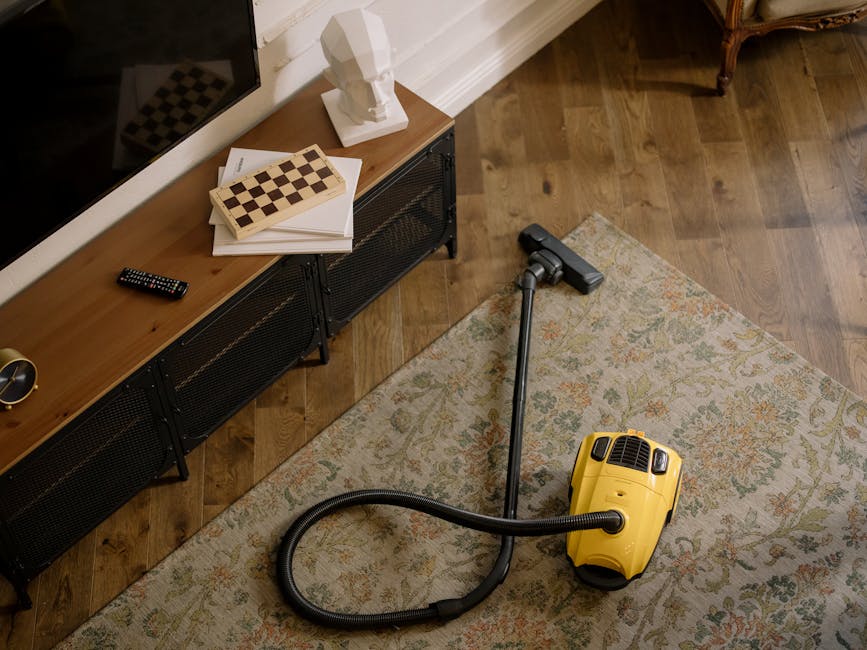
Avoid common carpet cleaning mistakes in Brixton flats
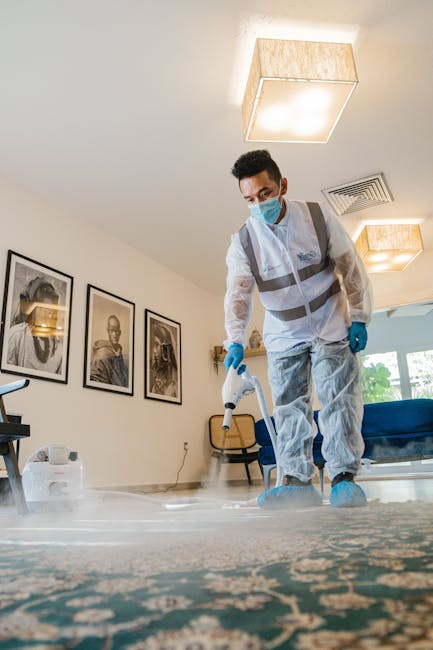
If you live in a Brixton flat, you already know the small stuff matters. A damp hallway, a narrow living room, a stairwell with not much breathing room, maybe a stubborn patch near the sofa. Carpet cleaning in that setting is not just about making things look better for five minutes. It is about avoiding the common carpet cleaning mistakes in Brixton flats that can leave stains worse, fibres flattened, or carpets still smelling a bit off by the next morning.
Truth be told, most carpet damage does not come from one dramatic disaster. It comes from rushed cleaning, too much water, the wrong product, or trying to fix a stain before you understand what caused it. This guide breaks down what goes wrong, how to clean more sensibly, and how to get better results in flats where space, ventilation, and busy routines can make everything a little trickier than it first seems.
We will walk through the practical steps, the usual pitfalls, what tools actually help, and when it makes sense to bring in help for a deeper clean. If you are dealing with move-out pressure, pets, spills, or general wear from city living, you will find useful, real-world advice here.
- Why these mistakes matter in Brixton flats
- How proper carpet cleaning works
- Key benefits of avoiding common mistakes
- Who this is for
- Step-by-step guidance
- Expert tips for better results
- Common mistakes to avoid
- Tools, resources and recommendations
- Law, compliance, standards, and best practice
- Methods compared
- Case study
- Practical checklist
- Conclusion
- Frequently asked questions
Why Avoid common carpet cleaning mistakes in Brixton flats Matters
Carpet cleaning in flats is different from cleaning in a house with a spare room, open windows on both sides, and nowhere important to be the next morning. In a Brixton flat, you are often working with tighter layouts, shared hallways, and limited drying space. That changes the game quite a bit.
The main issue is that a small mistake can spread quickly. Use too much water and the carpet backing may stay damp for hours. Scrub a stain the wrong way and you can push it deeper into the pile. Choose the wrong cleaner and you may leave a pale patch, a sticky residue, or a smell that hangs around like an uninvited guest.
There is also the everyday pressure of flat living. Maybe you are trying to clean before guests arrive. Maybe you are preparing for the end of a tenancy. Or maybe the dog has left a surprise near the sofa and you want to sort it fast. We have all been there, and the temptation is always the same: do it quickly. But quickly is often where the trouble starts.
In older Brixton properties, carpets can already be a bit delicate. In newer flats, underlay and fitted carpets can still be sensitive to over-wetting. Either way, avoiding mistakes protects appearance, smell, indoor air quality, and the lifespan of the carpet itself. It also saves you from that awkward moment when the room looks clean from one angle and patchy from another. Not ideal, obviously.
How Avoid common carpet cleaning mistakes in Brixton flats Works
The simplest way to think about carpet cleaning is this: you are trying to loosen dirt, lift it out, and remove moisture without leaving behind residue or damaging the fibres. That sounds easy enough, but carpets behave differently depending on pile type, age, stain type, and how much foot traffic the room sees.
A sensible clean usually follows a few stages. First, you remove loose grit and dust with a proper vacuum. Then you identify stains and treat them with the right method rather than going in blind with one strong product for everything. After that comes the actual cleaning stage, which may involve spot cleaning, steam carpet cleaning, or low-moisture methods depending on the carpet and the situation. Finally, you dry the carpet thoroughly so it does not become a magnet for musty smells or re-soiling.
The mistake many people make is treating all carpets as if they are the same. They are not. Wool, synthetic fibres, blended carpets, and delicate rugs all react differently. A product that works on one may set a stain on another. A bit annoying, yes, but that is the reality.
In practical terms, good carpet care is about balance. Enough cleaning power to remove dirt, not so much moisture that the carpet stays wet for ages. Enough agitation to lift debris, not so much scrubbing that the pile starts to look worn. Enough attention to detail that you fix the actual problem, not just the surface mark.
Key Benefits and Practical Advantages
When you avoid common carpet cleaning errors, the benefits show up faster than many people expect. Some are obvious, like a fresher-looking room. Others are more subtle but just as important.
- Better appearance: Colours look clearer, stains are less visible, and the carpet pile stays more even.
- Faster drying: Less water and better technique mean less waiting around with windows open and radiators on.
- Lower risk of damage: You reduce fibre distortion, shrinkage, dye bleed, and residue build-up.
- Improved smell: Proper cleaning removes the source of odours instead of masking them.
- Longer carpet life: A well-cared-for carpet simply lasts longer, which matters in rental flats and busy homes alike.
- Better value for money: Even if you are buying products or booking a service, doing it properly usually costs less than fixing avoidable mistakes.
There is also a less obvious benefit: confidence. Once you know what not to do, cleaning stops feeling like a gamble. You can handle spills calmly instead of panicking and reaching for the nearest bottle under the sink. That alone makes a difference.
Expert summary: In flats, the biggest carpet cleaning wins usually come from using less water than you think, testing products first, and giving drying time the respect it deserves. That is the boring answer. It is also the right one.
Who This Is For and When It Makes Sense
This advice is useful if you are a tenant, homeowner, landlord, or property manager dealing with carpets in a Brixton flat. It also matters if you are preparing for an inspection, moving out, refreshing a rented place, or simply trying to keep a lived-in flat feeling decent.
You may especially need this if:
- you have a flat with limited ventilation;
- you are cleaning carpets in a top-floor property or basement flat where drying can be slow;
- you have pets, children, or frequent visitors;
- you are dealing with coffee, wine, muddy shoes, or food spills;
- your carpet has never had a proper deep clean;
- you need the room back in use quickly.
It also makes sense if you are comparing whether to tackle the carpet yourself or arrange a professional clean. DIY can be perfectly fine for light maintenance, but for set-in stains, heavy traffic areas, pet odours, or end-of-tenancy expectations, a more specialist approach is often the safer bet.
To be fair, the deciding factor is often not skill alone. It is time. If you have a busy week, a small flat, and a carpet that needs more than a quick refresh, you may be better off choosing a method that gets the job done properly the first time.
Step-by-Step Guidance
If you want cleaner carpets without the usual headaches, follow a methodical process. Rushing the order is where many mistakes begin.
- Vacuum thoroughly first. Remove loose dirt, grit, and crumbs before adding any moisture. If you skip this, you can turn dry dirt into muddy residue.
- Identify the carpet type. Check whether it is wool, synthetic, or mixed fibre. If you are unsure, test a small hidden patch first. Always.
- Spot-test your cleaning product. Apply a small amount in a hidden corner and wait. If the colour changes or the pile looks rough, stop there.
- Deal with stains individually. Treat wine, grease, pet accidents, and mud differently. One-size-fits-all rarely works well.
- Use minimal moisture. Damp cleaning is usually safer than soaking. You want to lift dirt, not flood the underlay.
- Blot, do not rub. Pressing with a clean cloth helps lift stains. Aggressive rubbing can spread the mark and damage fibres.
- Rinse lightly if needed. Any cleaning residue left behind can attract new dirt, so do not overdo the product.
- Dry the area properly. Open windows where possible, use airflow, and keep foot traffic off the carpet until it is fully dry.
- Check the result in daylight. Artificial light can hide residue and patchiness. Morning light near the window usually tells the truth.
If the stain is still visible after a careful first pass, pause. Do not keep attacking it with more and more cleaner. That is the point where many people accidentally make a small issue into a bigger one.
Expert Tips for Better Results
There are a few habits that make a big difference, especially in Brixton flats where space and drying time are often limited.
Start with the gentlest method. If a dry vacuum and light stain treatment can fix the issue, that is better than jumping straight to heavy cleaning.
Use clean cloths, not just any cloth. A cloth with old detergent or grease can transfer the problem right back into the carpet. Bit awkward, really.
Work from the outside of a stain inward. This stops the mark from spreading. It is a tiny technique, but it saves a lot of frustration.
Keep an eye on the pile direction. Carpets can look darker or lighter depending on the way the fibres sit. Brushing the pile gently after cleaning can help the finish look more even.
Control moisture in small rooms. In a flat with closed windows, steam and moisture can linger. If the weather allows, crack open windows and create airflow rather than trapping damp air indoors.
Clean high-traffic paths more often. Entrances, hallways, and areas near the sofa usually need lighter maintenance more frequently than a guest bedroom.
Choose stain removal before deep cleaning if needed. Some marks, especially grease and pet-related stains, are better treated first. If you clean the whole carpet blindly, the stain may set further.
A small detail that people forget: skirting boards, furniture legs, and the carpet edges often collect dirt too. If you only clean the centre of the room, the result can look slightly off. Not terrible, just not finished.
Common Mistakes to Avoid
This is the section that saves people the most trouble. Most carpet cleaning problems in flats come from a handful of avoidable errors.
1. Using too much water
Soaking a carpet is one of the quickest ways to create a longer drying time, damp smells, and potential damage to the underlay. In flats, where ventilation can be limited, over-wetting is especially risky.
2. Scrubbing stains aggressively
Scrubbing feels productive, but it can fray fibres and spread the stain. Blotting is usually the better move. Gentle pressure, repeated carefully, beats an angry towel assault every time.
3. Using the wrong product for the stain
Not every stain is the same. Grease, tannin stains from drinks, mud, and pet accidents need different treatments. A single strong cleaner may make one issue worse while doing little for another.
4. Skipping the vacuum stage
If dirt is still sitting on the carpet, you are not really cleaning it. You are just rearranging grime. Vacuum first, then treat stains, then clean deeper if needed.
5. Forgetting to test a hidden spot
Some carpets react badly to cleaners, especially older or dyed ones. A quick patch test can save you from a visible discoloured patch right in the middle of the room.
6. Overusing soap or detergent
Too much product leaves residue. That residue attracts new dirt, which means the carpet looks dull again sooner than it should. This is one of the sneakiest mistakes because the floor may feel clean at first.
7. Not drying properly
Leaving a carpet damp for too long invites odours and can affect the backing. In a Brixton flat with closed windows, drying needs proper planning, not just hope.
8. Cleaning too late after a spill
The longer a stain sits, the more likely it is to settle into the fibres. Quick action matters, but quick and careless is not the answer. Calm and prompt, yes.
9. Ignoring odour sources
Sometimes the problem is not the surface stain. It is what soaked underneath. Pet accidents, drink spills, and mildew can leave a smell even when the visible mark is gone.
10. Treating every carpet like a rental rug
Carpets in flats are often fitted and attached to the room. That means moisture, backing, and ventilation matter more than people expect. A method that is fine for a small mat may not be suitable for a fitted carpet.
Tools, Resources and Recommendations
You do not need a huge kit, but the right basic tools make cleaning much safer and more effective.
- Vacuum cleaner with decent suction: Essential before and after spot cleaning.
- Microfibre cloths: Good for blotting without leaving lint behind.
- Soft brush: Useful for lifting pile gently after treatment.
- White towel or absorbent cloth: Helps you see how much stain is transferring out.
- Mild carpet cleaner: Suitable for your carpet type and used sparingly.
- Fan or good airflow: Helps speed drying in flats.
- Stain-specific treatment: Handy for pet stains, food spillages, or heavier marks.
If you are comparing services, look at more than price alone. A service page like carpet cleaning should ideally tell you what methods are used, what types of carpet are handled, and how drying is managed. For deeper refreshes, you may also want to consider steam carpet cleaning or, where odour is part of the issue, pet stain and odour removal.
Related services can help when the carpet is only part of the problem. For example, if furniture has transferred marks or smells, sofa cleaning or upholstery cleaning may make the room feel properly fresh. Rugs, meanwhile, often need a different touch, which is why rug cleaning is worth separating from fitted carpet care.
For planning and transparency, it can help to look at pricing and quotes before you decide whether a professional clean fits your budget. If you are comparing approaches to maintenance, deep cleaning and one-off cleaning are also useful reference points.
Law, Compliance, Standards, or Best Practice
For most household carpet cleaning, there is no dramatic legal process to worry about. Still, there are a few best-practice areas that matter, especially if you are hiring someone or managing a rental property.
First, cleaning products should be used according to the manufacturer's guidance. That sounds obvious, but many carpet problems come from using too much product or using it on the wrong surface. Second, if you are renting, you should be mindful of your tenancy agreement and the general expectation that carpets are returned in a reasonable condition, allowing for fair wear and tear. The exact standard depends on the property and the agreement, so it is worth checking your paperwork rather than guessing.
If you are hiring a cleaner or booking a service, it is sensible to confirm insurance, safe working practices, and how equipment will be handled in a flat. A provider's insurance and safety information, along with a clear health and safety policy, can give you extra confidence. For general terms, payment handling, and expectations, their terms and conditions and payment and security pages are worth a look.
If access is awkward, especially in narrow stairwells or shared entrances, make sure the cleaner is comfortable working in that environment. Brixton flats often have practical constraints that houses do not. Lifts, timed access, parking, and neighbour awareness can all affect how smoothly the job goes. Small detail, big difference.
You may also want to review a company's approach to sustainability if that matters to you. For some households, it is reassuring to see details on recycling and sustainability, especially where waste water, packaging, or product choice is part of the conversation.
Options, Methods, or Comparison Table
If you are deciding how to clean a carpet in a flat, this simple comparison may help. The right choice depends on the carpet condition, the stain, and how much drying time you have available.
| Method | Best for | Pros | Watch out for |
|---|---|---|---|
| Vacuum and spot clean | Light dirt, small spills, maintenance | Fast, inexpensive, low risk | Not enough for deep grime or odours |
| Steam carpet cleaning | General deep cleaning, traffic marks, embedded dirt | Stronger refresh, can lift more soil | Needs careful drying and correct technique |
| Low-moisture cleaning | Flats with limited drying space | Faster drying, lower water use | May not remove heavy staining alone |
| Stain-specific treatment | Wine, grease, pet accidents, food marks | Targets the actual problem | Must be matched to stain type |
For many Brixton flats, the sweet spot is a combination approach: vacuum thoroughly, treat stains carefully, then decide whether a deeper clean is needed. That usually works better than forcing one method to do everything.
Case Study or Real-World Example
A typical Brixton flat scenario goes like this. A tenant notices a dark patch near the lounge doorway, probably from shoes and general foot traffic. They try a supermarket spray, scrub hard with a brush, and add quite a lot of water because the mark is still there. By the next morning, the patch looks larger, the carpet feels stiff in one area, and there is a faint damp smell.
What went wrong? A few things, really. The dirt was not vacuumed first, so loose grit got pushed deeper. The scrubbing roughened the pile. The product was not tested in a hidden corner. And the carpet was left damp for too long in a room with not much airflow.
What would have worked better? A slower approach. Vacuum first. Blot the stain. Use a cleaner suited to the carpet type. Keep moisture under control. Then dry the area properly before deciding whether a second pass is needed. In a real flat, especially one with a busy hallway and limited drying space, that calm approach usually wins.
Another common example is pet odour in a small living room. The visible stain may seem minor, but the smell remains because liquid reached the backing. In that case, surface cleaning alone is not enough. You need proper odour treatment, better moisture control, and patience. There is no magic spray that fixes everything in 30 seconds, despite what the bottle might suggest.
Practical Checklist
Use this quick checklist before you start cleaning carpet in a Brixton flat.
- Have I vacuumed thoroughly first?
- Do I know what type of carpet I am cleaning?
- Have I tested any product in a hidden spot?
- Am I treating the stain with the right method?
- Am I using as little moisture as possible?
- Do I have clean cloths or towels ready?
- Is there a plan for ventilation and drying?
- Have I avoided over-scrubbing the fibres?
- Do I need a stronger treatment for odour or pet damage?
- Would a professional clean be more sensible for this job?
If you can answer yes to most of those, you are already avoiding the most common problems. And if not, no drama. Better to pause and plan than to rush into a mess you will have to undo later.
Conclusion
Cleaning carpets in Brixton flats is not hard because of the carpet itself. It is hard because flat living adds constraints: less space, less airflow, tighter schedules, and more risk if you get the method wrong. Once you understand the common mistakes, though, the process becomes much more manageable.
The key is simple enough. Vacuum first. Test products. Use less water. Treat stains properly. Dry the carpet well. That combination protects the fibres, improves the finish, and keeps the room feeling fresh for longer. Whether you are doing routine maintenance, getting ready for a move, or dealing with a stubborn spill, careful cleaning pays off.
If the job feels bigger than a quick tidy-up, it usually is. And that is fine. Not every carpet problem needs heroics. Sometimes the best result comes from knowing when to slow down, use the right method, and leave the room better than you found it.
Get a free quote today and see how much you can save.
Frequently Asked Questions
What is the biggest mistake people make when cleaning carpets in flats?
The biggest mistake is usually using too much water or too much product. In a flat, that can mean long drying times, lingering smells, and residue that attracts dirt again.
Can I use steam carpet cleaning in a Brixton flat?
Yes, but only if you can manage drying properly and the carpet type is suitable. Steam carpet cleaning can be very effective, but over-wetting or poor airflow can cause problems in smaller homes.
How do I stop a carpet from smelling damp after cleaning?
Focus on drying. Use ventilation, avoid soaking the carpet, and do not cover the area until it is fully dry. If the smell remains, the stain may have reached the backing or underlay.
Should I scrub a stain if blotting does not work?
Usually no. Scrubbing can damage fibres and spread the stain. Try a suitable stain treatment, blot gently, and work from the outside inward.
What if I do not know what type of carpet I have?
If you are unsure, test any cleaner in a hidden corner first. Older carpets and wool blends can react differently from synthetic ones, so guessing is not a great plan.
How often should carpets in a Brixton flat be deep cleaned?
That depends on traffic, pets, and lifestyle. Some flats need more frequent attention than others. A light maintenance routine plus occasional deeper cleaning is usually more sensible than waiting until the carpet looks tired.
Are supermarket carpet sprays okay to use?
Sometimes they are fine for light spills, but they are not always the best choice for set stains or delicate carpets. Always check the label and test first.
Can bad carpet cleaning damage the flat's deposit outcome?
It can, especially if the carpet is stained further, damaged, or left with residue. For tenants, careful cleaning and reasonable upkeep matter because they affect the final condition of the property.
What should I do if a pet accident has soaked through the carpet?
Act quickly, blot the area, and use a product made for pet odour and stain removal. If the smell persists, the issue may be deeper than the surface fibres.
Is professional cleaning worth it for a small flat?
Often yes, especially if the carpet has heavy traffic, odour, or several stains. A small flat does not automatically mean a simple job. Sometimes the space makes drying and access more difficult, not less.
How do I know if I have over-wet the carpet?
If the carpet feels soggy rather than damp, the underlay may take a long time to dry. A lingering musty smell or a darker patch that stays visible for hours can also be a sign.
What is the safest first step before cleaning any carpet stain?
Vacuum the area and do a hidden patch test if you are using a cleaning product. That basic step prevents a lot of avoidable mistakes and gives you a better chance of a clean, even result.
If you want help with a carpet that needs more than a quick refresh, a careful approach now can save you a lot of stress later. And honestly, that is usually worth it.